Friday, April 1, 2011

Draft 1 of Exhibition Poem


Starter 12: Do You Get It?  D'Vaughn McCrae
  1. What do you notice about her presentation style/method?
  2. What is the perspective of this poem?
  3. What part of this poem stands out to you the most?
Content Poems
  1. Trade poems with a partner
  2. Read their poem, and write your name on the back of it.
  3. What is the perspective of this poem?
  4. What are the strongest lines of this poem, and why?  In other words, if you were going to throw out everything but 2-3 lines, which would you keep?
  5. What are two specific things they could do to make this poem even stronger?
  6. If you were going to do a D/C journal about this poem, what lines would you choose, and why?
Exhibition Poem
  1. Write first draft of exhibition poem.
  2. Keep EVERYTHING you write.  You never know when you will want it for a later version!
  3. I suggest creating a poetry folder, and saving all your drafts separately.  In other words, when you go in to revise your poem, copy and paste it into a new document, so you have a record of your changes.
Poetry Process Journal 1
  1. What do you think you are going to use as your content inspiration?  What about this inspires you? (images, words, symbols, phrases...)  What do you want to say about this?
  2. Take two lines from your current draft and write them here.  Now rewrite those two lines so that they communicate the same message, but don’t use any of the same words.
  3. What is your next step in the process?   Why?  (Brainstorming, peer critique, research, writing, including poetic devices, working on the specific form, starting over, working with a teacher or tutor, learning after-effects, illustrating your poem…other?)


Thursday, March 31, 2011

Poem Draft Lesson


Starter 11
  1. What does she do with the text to emphasize different parts of the poem?  Give at least two specific examples, and talk about the effect the text animation has on the reader in that instance.
  2. What was the most powerful part of the poem, and why?
  3. What poetic technique did she use that you might want to use in your poem?
Content Inspiration List
  1. Look at list on board, choose top 2 from that list
Expanding Content
  1. Read a piece from the blue reader that we haven't read in class
  2. Write a poem inspired by that reading
  3. At the bottom of that poem, write the main message of the reading, the most interesting thing you learned, and what you took from that reading for your poem
Writing Time
  1. Time to work on recitation poem analysis
  2. Get feedback from Lori if you finish a draft
  3. If you finish, work on memorizing your poem
Homework
  1. Finish draft of poem, and explanation of content inspiration.  TYPE AND PRINT!   
  2. DUE: Friday, 4/1/11, start of class.

Wednesday, March 30, 2011

SLC Critiques and Poem Analysis

SLC Critiques

  1. Gather all evidence, set up a computer at each table
  2. Practice your SLC for a group, receive feedback on your strengths and areas for improvements
  3. Repeat until everyone in your group has done a full practice
Starter 10
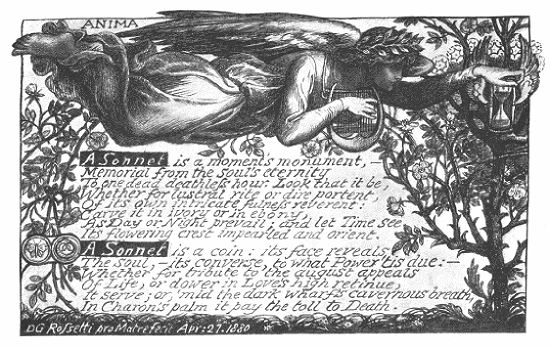
  1. Go to one of the following pages with illuminated text: The Tyger, or Rosetti's Sonnet
  2. What is the message or perspective of this poem?
  3. What connections do you see between the artwork and the text?
  4. How does the art affect you as a reader?
Poetry Analysis
Time to work on the written analysis of your recitation poem.  Remember, this analysis should be 3 paragraphs, typed, and should QUOTE the poem to back up what you are saying.  In your analysis, you should answer the following questions:
  1. What is this poem trying to communicate?  In other words, what is the unique perspective this poet is offering? (1 paragraph)
  2. How does the poet develop/change the message throughout the poem?  (2 paragraphs)  (HINT: In this section you will likely want to spend time talking about specific techniques the poet uses, and what makes their style unique.)
NO HOMEWORK!

Tuesday, March 29, 2011

Poetry and Perspective

Starter 9

  1. Trade peace poems with someone
  2. If we were having a seminar on the poem in front of you...
    1. List 3 good discussion questions for that poem
    2. 1 point you would want to make about the poem in seminar
  3. 2 specific suggestions for revision
  4. Strongest line, and why
Content and Form
  1. Review content inspiration and form inspiration guidelines
Poetry and Perspective
  1. What is the perspective in "Dulce et Decorum Est?"
  2. "Duh" Perspective Statements:
    1. War is bad
    2. Peace is good
    3. Violence hurts people
    4. Peace is hard/impossible to create
  3. Transform each of these general ideas into a unique and interesting perspective.  1-2 sentences each.  You can use symbols, imagery, etc.
  4. Write 3 possible perspective statements for your own poem
SLC Prep: Areas for Improvement and Goals
  1. Choose one area of improvement for Humanities (could be a skill or a behavior)
  2. Write a SMART goal for that skill or behavior
  3. What Habit or Survival Skill will best help you achieve that goal, and why?
Notecard Format
  1. Notecard 2: Area of Improvement
    • Bullet 1: Why is this an issue for you?
    • Bullet 2: What makes this difficult for you?
    • Bullet 3: What have you tried in the past to improve this?
  2. Notecard 3: Habit/Survival Skill (at top of card)
    • S (what you will do, and how you will do it)
    • M (how you will measure your success)
    • A (why you think this is attainable)
    • R (how will this help you, why it is relevant)
    • T (what is your timeline for achieving this goal)
HOMEWORK: Finish ALL notecards for ALL classes (math, bio, humanities, spanish).  Bring completed notecards and evidence to Humanities tomorrow (Wednesday).

Monday, March 28, 2011

SLC Prep and Peace Poetry

Starter 8

  1. List all the academic skills you can be good at in Humanities.  You need to have at least 3 per category, and be as specific as possible.  Categories: Reading, Writing, Speaking, Thinking.
  2. List at least 5 other behaviors (NOT skills) that can help you succeed in Humanities.
  3. Circle your greatest strength in each, and list at least one piece of evidence that shows that strength.
SLC Strengths
  1. Each person sits out for 2 minutes
  2. Table come up with their greatest strength in this class, and evidence for that strength
  3. Share with the person
  4. Repeat
SLC Notecard #1
  1. Choose a strength in each category (skills and behaviors)
  2. Make a Humanities Strengths notecard in TEA outline format (skills on front, strengths on back)
    • T = The academic skill/behavior I am best at is...
    • E = Specific assignment, project, or experience that shows that skill
    • A - This evidence shows...
      • Bullet point 1
      • Bullet point 2
      • Bullet point 3
Peace Organizations
  1. Describe your organization, share the 3 most important/interesting facts about it
  2. After everyone has shared, decide as a group:
    1. Which organization is most inspiring, and why?
    2. Which organization is most effective, and why?
    3. Which organization do you have the most questions about, and what are 3 of those questions?
  3. Show Lori
Peace Poem
  1. Write a poem inspired by one of the organizations you learned about today
  2. Poem should include a noticeable turn (at least one)
  3. Goal = to make the turn as dramatic as possible
HWK: 
  1. Finish, type, and print Peace Poem.  DUE: Tuesday, 3/29, start of class
  2. SEMINAR MAKE UP: Do ONLY if you were absent for Friday's seminar, or if you want to raise your seminar grade.  DUE: Friday, 4/1
    • Answer two of the following questions, in a typed, 2 page essay.  Make sure to use evidence from the text of the poem, and if you were in the seminar, refer to points made during the seminar:
      1. Is it ever sweet and right to die for your country?
        1. Does the answer to that question change depending on circumstances (drafted vs. enlisted, long and painful death vs. quick death, cause of war, etc.)?  Explain.
      2. What is the tone of this poem and how does the author create it?
      3. How does this poem change your perspective on the propaganda posters you designed?
      4. Is poetry important in our social dialogue about war?  Why/why not?  What does it add to the discussion that other forms of communication do not?